Pet lizards, small geckos to room-sized iguanas
Pet lizards range from a gecko in a 36-inch terrarium to an iguana that needs a room. Here is each one’s home, heat, UVB, cost and lifespan.
AnimalLevelFirst yearDailyLives
- 01
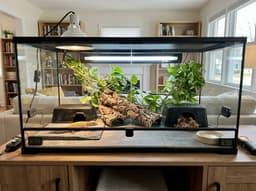 Leopard geckoTolerates brief handling · 36×18×18 in enclosureGeckos, including leopard geckos, are prohibited for private possession in Hawaii.
- Level
- Beginner
- First year
- $509–$928
- Daily
- 5–15 min
- Lives
- 15–20 yr
- 02
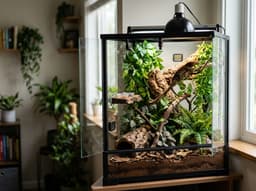 Crested geckoTolerates brief handling · 18×18×36 in enclosureGeckos, including crested geckos, are prohibited for private possession in Hawaii.
- Level
- Beginner
- First year
- $568–$1,058
- Daily
- 5–15 min
- Lives
- 15–20 yr
- 03
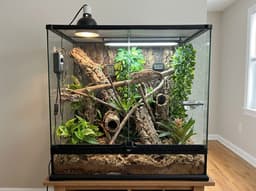 Gargoyle geckoTolerates brief handling · 18×18×36 in enclosureLegal in most US states. Hawaii prohibits keeping geckos like this one as pets.
- Level
- Beginner
- First year
- $600–$1,122
- Daily
- 5–15 min
- Lives
- 15–20 yr
- 04
 African fat-tailed geckoTolerates brief handling · 36×18×18 in enclosureHawaii prohibits private possession of most reptiles, including geckos; elsewhere in the US they are generally legal.
- Level
- Beginner
- First year
- $612–$1,183
- Daily
- 5–15 min
- Lives
- 15–20 yr
- 05
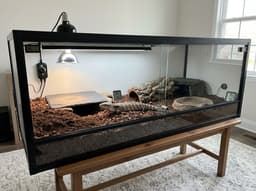 Blue-tongue skinkTolerates brief handling · 72×24×24 in enclosureCertain states or localities may restrict keeping specific exotic wildlife or require permits; always verify state and local reptile laws before purchase.
- Level
- Intermediate
- First year
- $905–$1,825
- Daily
- 5–15 min
- Lives
- 15–20 yr
- 06
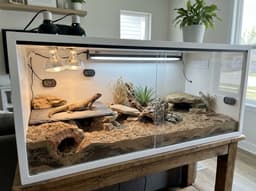 UromastyxTolerates brief handling · 48×24×24 in enclosureHawaii prohibits private possession of most reptiles, including Uromastyx. They are CITES-listed, so choose captive-bred animals with paperwork; check local rules elsewhere.
- Level
- Intermediate
- First year
- $766–$1,411
- Daily
- 10–20 min
- Lives
- 20–40 yr
- 07
 Veiled chameleonHands-off: best watched · 24×24×48 in enclosureVeiled chameleons are invasive in parts of Florida and Hawaii, where local regulations may restrict breeding, sale, or possession without specific permits.
- Level
- Intermediate
- First year
- $607–$1,263
- Daily
- 15–30 min
- Lives
- 5–8 yr
- 08
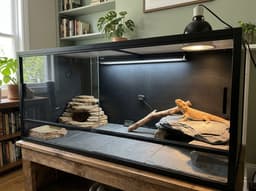 Bearded dragonTolerates brief handling · 48×24×24 in enclosureBearded dragons are legal in most of the US, but Hawaii prohibits private possession; check local rules elsewhere.
- Level
- Intermediate
- First year
- $828–$1,664
- Daily
- 15–30 min
- Lives
- 10–15 yr
- 09
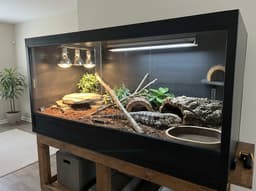 Argentine teguTolerates brief handling · 96×48×48 in enclosureArgentine tegus are invasive in parts of the Southeast. Florida, Alabama and South Carolina ban new ownership, and Georgia bans importing and breeding them; in Florida, South Carolina and Georgia only animals already owned and permitted or registered by each state's deadline may be kept. Check your state wildlife agency before buying.
- Level
- Advanced
- First year
- $1,812–$4,785
- Daily
- 20–45 min
- Lives
- 15–20 yr
- 10
 Green iguanaTolerates brief handling · 120×60×72 in enclosureGreen iguanas are a prohibited species in Florida: new pets aren't allowed, and only owners grandfathered in 2021 may keep one under an annual FWC permit. Hawaii also bans them. Check state and local rules elsewhere.
- Level
- Advanced
- First year
- $2,460–$5,490
- Daily
- 30–60 min
- Lives
- 15–20 yr
What is the easiest lizard for beginners?
Leopard gecko: rated beginner, about 5–15 minutes of care a day, and $509–$928 for the first year.
What is the cheapest lizard to keep?
Leopard gecko, at $509–$928 for the first year including the setup. The animal itself is usually the smallest part of the cost.
Which lizard lives the longest?
Uromastyx, at 20–40 years. Before you buy a lizard, plan for the whole of that.
How this list is built: Every lizard we cover, beginner species first, then by daily care time. First year is the essential setup plus a year of food and supplies, at typical US prices; vet care is extra. Every number comes from the animal's own guide and its sources. How we make these guides.